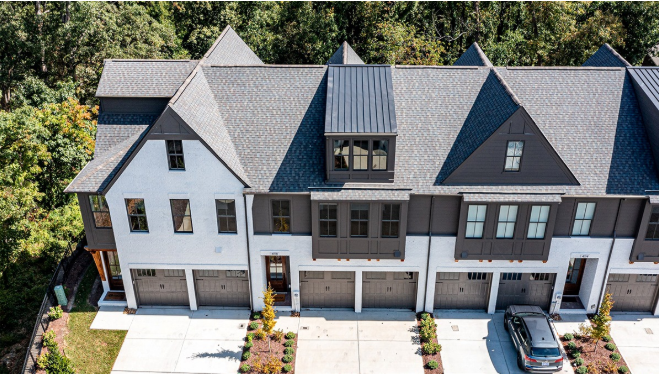
Why Does the Neighborhood Matter More Than the Granite Countertops?
I’ve watched people do this a dozen times. They tour a place, see the shiny kitchen, and mentally move in before they’ve even checked what’s across the street. If you’ve been typing townhomes near me into your phone at 11 at night, scrolling photos of staged couches, I get it. It’s fun. But here’s the thing. You’re not buying the couch. You’re buying a spot on a map, and you can’t change that part later.
Paint changes. Floors change. I’ve seen whole bathrooms torn out in a week. A noisy street stays noisy. With a townhome it’s worse, because you share walls and a roof line and usually a parking lot with people you didn’t pick. Their habits become your habits, kind of. Their lawn becomes part of your view.
So before you look at one more listing, sit down and figure out what your actual days look like. Not the Instagram version. The real one. Where do you go every morning, how loud can your evenings be, what makes you grumpy. I’d jot down things like:
- What a normal Tuesday looks like, start to finish
- Where you spend your weekends and how far you’ll drive to get there
- The noise level you can tolerate without grinding your teeth
- Two or three dealbreakers you won’t budge on
Keep that list on your phone. When a realtor is smiling at you in a sunny living room, you’ll forget half of what matters, and the list drags you back.
Is the Commute Really as Short as the Listing Says?
Rarely. “Ten minutes to downtown” is written by someone who drove it at 6 a.m. on a holiday. So go drive it yourself, on a weekday around 8:15 and again near 5:30. Do it twice if you can handle it. The difference will surprise you, sometimes by a lot.
Transit people, same deal. Walk to the stop. See how often the bus really shows up, and ask yourself if you’d stand there in the rain in January. Then think past work, because life isn’t just work. Count up the other trips:
- Groceries and the random errand you forgot
- School drop-off and pickup if you have kids
- The airport, and that awful early flight you’ll book someday
- Family or friends on the other side of town
- Getting to the highway on-ramp, which is sometimes the worst part
I looked at a townhome once, nice place, price was good, and the only way out of the neighborhood was one two-lane road that backed up every single afternoon. I could picture it. Every trip would start with me sitting there sighing. I passed. No regrets.
Also check how the area connects to sidewalks, bike lanes, and main roads. A community can be close to everything on paper and still feel cut off if nothing links up. Short commutes are nice, but a predictable one is better, I think. You can plan around predictable.
What Does the Street Actually Feel Like After Dark?
One visit won’t tell you much. Two barely will. Go on a weekday morning, go in the evening, go on a Saturday night if you’ve got the patience. And mostly just listen. Dogs, music, highway hum, a neighbor’s car with a bad muffler. These are things the listing never mentions, funny enough.
Look at parking too, because parking is where townhome neighbors start fights. Count the guest spots. See whether cars crowd the curb, whether someone’s blocking a driveway. Stand outside once it’s dark and picture yourself carrying groceries to your door. Is it lit? Do you feel fine, or a little off? Trust that feeling. While you’re wandering around, watch for stuff like:
- Peeling paint or sagging gutters on shared buildings
- Dumpsters overflowing, trash blowing around
- Cracked walkways, broken gates, dead landscaping
- Neat lawns and fixed fences, which means somebody cares
- People actually outside, kids on bikes, folks saying hi
And talk to a neighbor. I know, awkward. But if you see someone with a dog, just ask how they like living there. People love to tell you stuff. Last time I did this, a guy told me the pool pump had been dead for over a year, and the board kept arguing about it. No listing was ever going to say that. Five awkward minutes, and you might dodge a five-year mistake.
Why Should You Care About the HOA, Fees, and All That Paperwork?
Ugh, the HOA. Nobody’s excited about it. But with townhomes you can’t skip it, and honestly, it can make or break the whole deal. The monthly fee is just the number on the front. What matters is what’s inside it. Exterior upkeep? Snow removal? Insurance on the building? Landscaping, trash? Ask. Don’t assume.
Then ask for the paperwork, all of it, before you get emotionally attached:
- The current annual budget
- The reserve fund balance, plus a reserve study if they have one
- Meeting minutes from the last couple of years
- The full rules and covenants
- Any special assessments from the past five years
Meeting minutes are dull, I won’t pretend otherwise, but they’re gold. They show you if the community plans ahead or just hopes for the best. If the reserves are thin, a special assessment is coming at some point, and that can mean a few thousand dollars landing right when you can least afford it.
Read the rules too. Can you rent the place out later? Pets allowed, how many? Paint colors, porch stuff, running a business from home? Some associations are easygoing, and some will write you up over a doormat. Find out which kind before you’re stuck. Ask about big upcoming projects like a new roof or repaving, and how they’d get paid for. Ask if the association is tied up in any lawsuit, because that can wreck your financing. A pricier townhome in a well-run community often costs you less in the long run than a cheap one in a mess. The sticker price fibs a little. The long-term numbers don’t.
Do Trails, Parks, and Mountain Biking Nearby Really Matter?
Okay, my favorite part. When I look at a neighborhood, I always check what’s near the front door, and for me that means dirt. I ride, so mountain biking access is almost a dealbreaker. If you ride too, you know. A place ten minutes from a good trail system gets used completely differently than one that’s forty minutes away. You’ll go after work, on a random Wednesday, because it’s easy. When it’s a whole production to get there, you just don’t go.
Even if you’ve never touched a bike, I’d still look at green space. It helps how a neighborhood feels, and it usually helps resale, too. Here’s what I’d check:
- Drive time to the closest trailhead (not miles, drive time)
- Whether a bike path or greenway links your street to the trails
- Local riding groups, bike shops, trail crews, since they tell you about the culture
- Parks, playgrounds and open space within a short walk
- Safe crossings, a bit of shade, somewhere to sit
And think about gear. A townhome with a small garage and three bikes is a puzzle you’ll solve badly. Where do the muddy shoes go? Where does the helmet live? Sounds dumb, I know. But it’s these little things that make a place feel easy or annoying after about a month. I’d take a neighborhood that gets you outside over one with a fancy clubhouse nobody uses. Fight me on it.
What About Schools, Stores, and the Boring Everyday Stuff?
Even without kids, schools matter, because they affect what the place sells for later. Look at ratings, sure. Then go a step further. Swing by at drop-off, see the line of cars, chat with a parent if one’s around. A rating is a number. It isn’t a feeling.
Errands next. You don’t need everything walkable; that’s a bit of a fantasy for most people, but the basics should be close enough that your Saturday isn’t eaten by driving. I’d map the distance to:
- A real grocery store, not just a corner shop
- A pharmacy, urgent care, and the nearest hospital
- A gym or anywhere else that gets you moving
- A couple of dinner spots for the nights you can’t face cooking
- The small stuff like a post office, vet, or hardware store
Crime maps are worth a look, but take them with some salt and compare with what you notice walking around. Check what’s being built nearby, because new shops can be a great sign or years of construction noise and traffic. The city planning website is weirdly useful, and almost nobody reads it. Look at zoning, upcoming road work, anything that could change the area. And think about future you for a minute. Will this location still work if you work from home more, or less? If the family gets bigger, or smaller? The right neighborhood bends a little when life changes, so you don’t have to move.
What Should You Check Inside the Townhome Before Making an Offer?
So say you found a neighborhood you actually like. Good. Now go through the unit slowly, like you’re a bit suspicious. Look for water stains on ceilings, a musty basement smell, cracks around windows, and doors that stick. Old water damage is a big one. If you see any sign, ask about the Water Restoration that was done and ask for paperwork. Same with anything that hints at a past fire, because sloppy Fire Restoration can leave problems hiding for years.
Get a real inspection and don’t let anybody rush you through it. Then think about what you’d want to change:
- Dated kitchen? Kitchen Remodeling adds up faster than people expect
- Tired bathrooms? Bathroom Remodeling can quietly eat a budget
- Worn floors, old windows, aging HVAC, a roof near the end
- Anything that’s real Home Restoration work and not just a fresh coat of paint
Get rough numbers before you offer, not after. A decent crew, the kind you’d find through Hoover General Contractors-type companies, can walk the place with you and tell you what’s cosmetic and what’s a money pit. Remember too that in a townhome some changes need HOA approval, especially anything touching the outside or shared walls. Check that first; it’s a nasty surprise otherwise. A place needing light updates in a great neighborhood is a smart buy. A place needing everything in a so-so neighborhood is a project with a mortgage on it.
Quick Pointers Before You Start Touring
Pocket list. Short on purpose.
- Drive the commute at rush hour, not on a lazy Sunday
- Visit the street morning, evening, and a weekend night
- Read the HOA budget, reserves, and meeting minutes
- Count guest parking and watch how people really park
- Check trail access, parks, and where your gear will live
- Talk to at least two neighbors
- Look up zoning and planned construction nearby
- Inspect first, price repairs and remodeling before you offer
Frequently Asked Questions
How many times should I visit before buying?
At least three, at different times. A weekday morning, an evening, and a weekend. Each one shows you something different: noise, traffic, how packed the parking gets.
What HOA fee is normal for a townhome?
Depends on where you are and what’s covered. I wouldn’t chase a “normal” number. Look at what it includes and how healthy the reserves are. A higher fee with solid savings can beat a low fee with nothing behind it.
Does being near mountain biking trails help home value?
Often it does. Easy access to trails and green space makes an area more attractive, and that tends to help resale. Plenty of non-riders like having it close too.
Are older townhomes a bad idea?
Not by default. Age isn’t the issue; neglect is. Get a thorough inspection, ask about past water or fire damage, and find out what the roof and plumbing might cost soon.
How can I tell if a neighborhood is safe?
Use both data and your own eyes. Check local crime maps, then walk around at night, notice the lighting, and talk to residents. Together they tell you more than either one alone.
Conclusion: Slow Down, Then Trust Your Gut
Searching for townhomes near me can feel like a race, but it really isn’t one. The people who end up happy are usually the ones who slowed down. They drove the commute at rush hour, hung around the street at weird hours, dug through the HOA documents, and figured out if they’d really use the trails and parks, whether that’s mountain biking or just a quiet walk after dinner. They also looked past the staging and asked what the place would need in a few years. Do that homework and the right one tends to stand out, in a way no listing photo can show you. And if the townhome you pick needs some love, a kitchen refresh, a bathroom overhaul, or real repair after water or fire damage, a team like Hoover Building Specialists can help you work out what’s worth doing and what isn’t. Neighborhood first, then the building, then the budget. Get that order right, and you’ll land somewhere you actually want to come home to.